
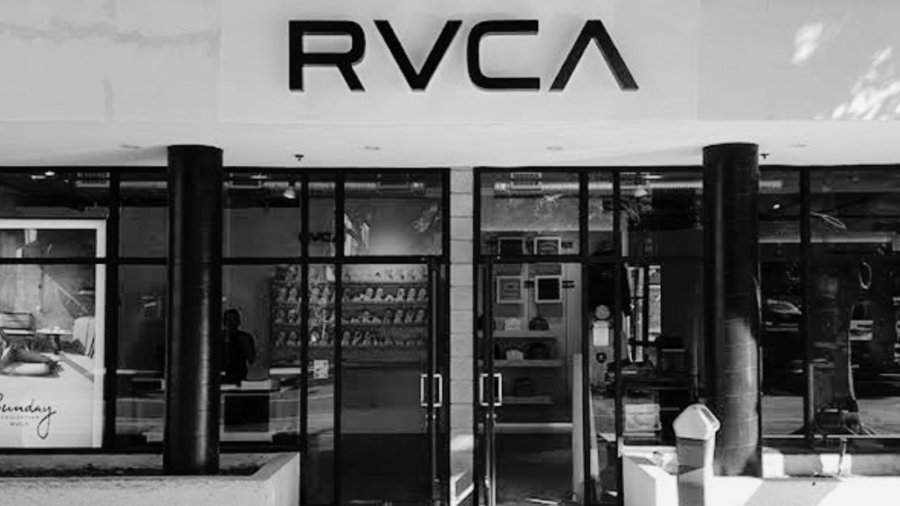
If you saw headlines about RVCA closing and started to panic a little, you’re not alone. A lot of people did. But here’s the thing — the full story is much less dramatic than those headlines made it sound.
What actually happened in early 2025 was a business shake-up that affected how RVCA products were sold in the U.S., not the brand itself. There’s an important difference there, and once you understand it, the whole situation makes a lot more sense.
This article breaks down exactly what happened, who filed for bankruptcy (hint: it wasn’t RVCA), who actually owns the brand, and what it all means if you’re trying to buy RVCA gear today.
RVCA Is Not the Company That Filed for Bankruptcy
Let’s clear this up right away: RVCA did not file for bankruptcy. A company called Liberated Brands did.
Liberated Brands was the operator that ran RVCA’s U.S. retail stores. They’re not the same thing as RVCA the brand — they were just the company handling day-to-day store operations in the United States.
Think of it like a restaurant franchise. If one franchise owner goes bankrupt and closes their locations, that doesn’t mean the restaurant brand itself is dead. The brand can keep going under new management. That’s essentially what happened here.
Some coverage — including Wikipedia — described RVCA’s U.S. operations as “defunct” after the 2025 closures. That’s technically referring to the operator, not the brand. Stronger reporting from outlets like Surfer Magazine and Shop Eat Surf Outdoor makes that distinction clear.
What Liberated Brands Actually Did
In February 2025, Liberated Brands filed for Chapter 11 bankruptcy in the United States. This was a significant filing that had a ripple effect across several well-known surf and action-sports brands.
Liberated Brands wasn’t just running RVCA stores. They operated roughly 124 retail locations across multiple brands — including Billabong, Quiksilver, and Volcom. When they filed for bankruptcy, those stores began closing and liquidating inventory across the board.
That’s what caused the wave of alarming headlines. People saw “RVCA stores closing” and assumed the brand was shutting down for good. But store closures and brand shutdowns are very different things.
Fox Business and USA Today both reported on the Chapter 11 filing and the resulting store closures. The key detail buried in those reports: this was an operator-level collapse, not a brand-level one.
Who Actually Owns RVCA
Here’s where the picture gets clearer. RVCA is owned by Authentic Brands Group (ABG) — a large brand management company that holds a lot of well-known consumer labels.
ABG owns the RVCA name, the designs, and all the intellectual property behind the brand. What they don’t own are the retail stores themselves. Those were run by Liberated Brands under a licensing agreement.
So when Liberated Brands went under, ABG still had full ownership of the RVCA brand. According to Surfer Magazine, ABG pulled its licenses from Liberated Brands and began looking for new U.S. licensing and wholesale partners.
That’s a big deal. It means the brand’s future was being actively managed — not abandoned.
Duke Surf also reported that ABG confirmed U.S. operations were seeking a new licensee, while international operations remained unchanged. So even at the height of the news coverage, this was largely a U.S. retail story, not a global brand collapse.
What a License Transfer Means for the Brand
If you’re not familiar with how brand licensing works, this part is worth understanding — because it explains how RVCA can keep going even after a major operator fails.
A licensee is a company that pays for the right to sell or operate a brand in a specific region or sales channel. They handle things like running stores, managing inventory, and selling products under that brand name.
When a licensee goes under, the brand owner doesn’t go with them. They can take back those licensing rights and hand them to a new company. The brand itself keeps existing — it just changes hands at the operator level.
That’s exactly what happened with RVCA. Shop Eat Surf Outdoor reported that a new RVCA licensee was already being transitioned in shortly after the Liberated Brands bankruptcy filing. The wheels were turning fast to keep the brand alive and operational.
RVCA and several other affected brands also posted public statements after the news broke, reassuring customers that they were still in business. These aren’t formal legal documents, but they do reflect the direction the brand owners were moving.
What This Means If You’re an RVCA Customer in the U.S.
Okay, so the brand isn’t dead — but what does that actually mean for you as a shopper?
The most immediate change is that the U.S. retail stores run by Liberated Brands are closed. If there was a physical RVCA store near you that was part of that operator’s network, it’s likely gone now.
But that doesn’t mean RVCA products have disappeared entirely. With a new licensee being brought in, the brand is expected to continue selling through new wholesale and retail channels. That could mean new store partnerships, online availability through different platforms, or other distribution arrangements.
It’s worth checking RVCA’s official website and their social media for the latest updates on where to shop. The situation was still developing as of early 2025, so availability may vary depending on where you are and which retailers have picked up the brand.
If you’re curious about how this type of business transition works more broadly, resources like Key Business Goal offer straightforward explanations of common business and brand structure topics.
Why the Headlines Were So Misleading
It’s worth pausing on this, because it tells you something about how business news travels — especially when surf culture and retail closures are involved.
When 124 stores start closing at once, it makes for a dramatic story. “RVCA is closing” is a much punchier headline than “the U.S. operator that ran RVCA stores filed for Chapter 11 and is transitioning to a new licensee.”
But the shorter headline strips out all the context that actually matters. It leaves readers thinking their favorite brand is gone, when in reality, the situation is more like a behind-the-scenes reshuffling of who’s responsible for selling the products.
Shop Eat Surf Outdoor specifically covered how hard the media storm hit the surf industry, noting that brands had to come out publicly just to push back against the narrative that they were done. That’s how widespread the confusion became.
The Short Version If You Just Want the Facts
- RVCA did not file for bankruptcy. Liberated Brands did.
- Liberated Brands ran RVCA’s U.S. retail stores — they were the operator, not the brand owner.
- Authentic Brands Group owns RVCA and pulled the license from Liberated Brands after the filing.
- A new U.S. licensee was being brought in to continue the brand.
- International RVCA operations were reported as unaffected.
- U.S. physical stores tied to Liberated Brands closed, but the brand itself was not shut down.
So Is RVCA Going Out of Business?
Based on everything reported by industry outlets and the brand’s own communications — no, RVCA is not going out of business.
What happened was a significant disruption to how the brand operates in the U.S., caused by the collapse of the company that was running its stores. That’s a real and meaningful change for customers who shopped at those locations. But the brand itself, owned by Authentic Brands Group, is still very much alive and being actively managed.
The clearest way to think about it: the people selling RVCA in the U.S. went under. RVCA itself didn’t.
Keep an eye on the brand’s official channels for updates on new retail partners and where to shop going forward. The dust was still settling in early 2025, but the brand’s direction was forward — not toward a shutdown.
Also Read: